

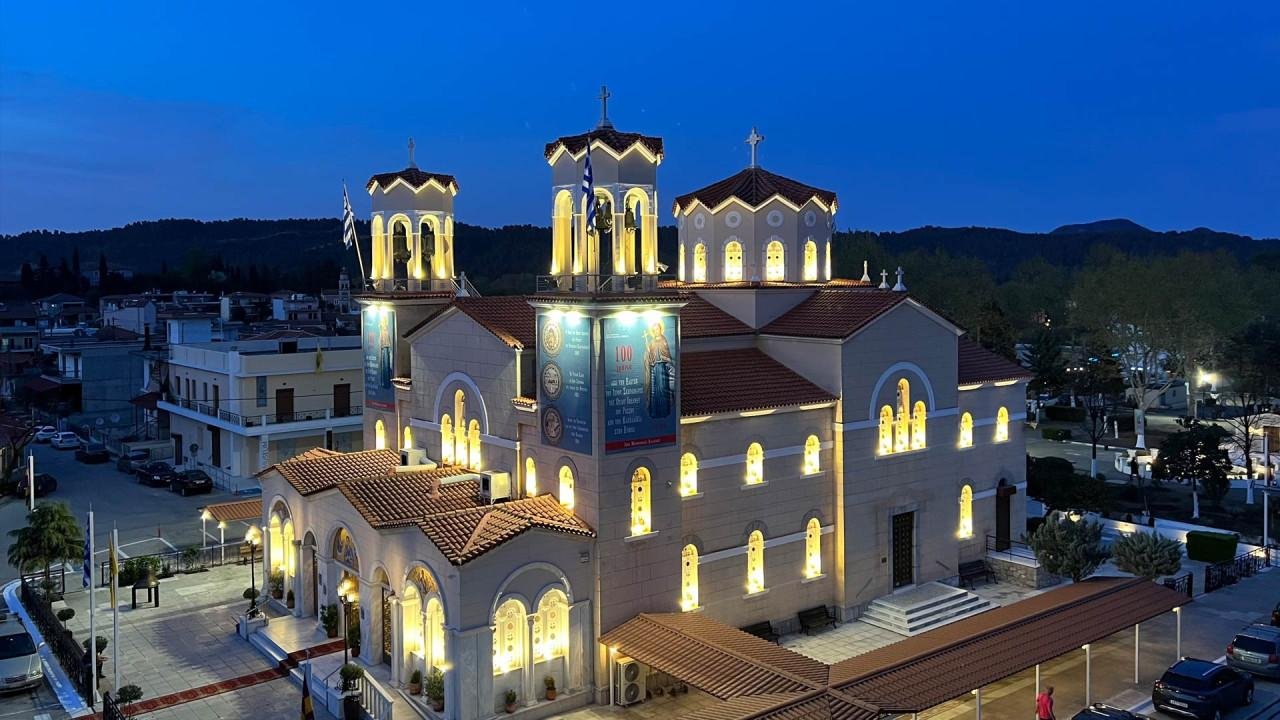
Nestled in the heart of the lush, green landscapes of northern Euboea, Prokopi (sometimes spelled Prokopion) is a village with a distinct character. Known throughout Greece for its significant religious shrine, it also serves as an engaging stop for travelers curious about local traditions, Greek history, and the quieter side of the island.
In contrast to the bustling seaside resorts, Prokopi offers a different facet of Euboea: a village shaped by its history and surrounded by the countryside, where a visit to an important pilgrimage site can be complemented by a traditional Greek meal or a peaceful coffee break.
Whether you are traveling through northern Euboea by car or planning a cultural day trip, Prokopi is well worth including in your itinerary.
1. Visit the Church of Saint John the Russian
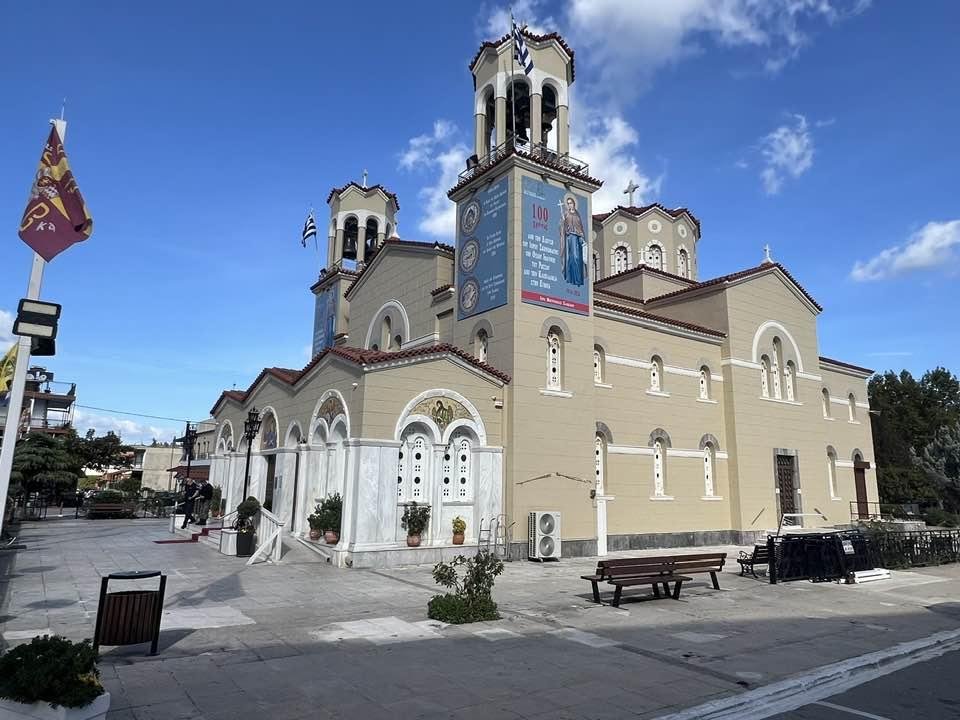
The primary reason many visitors travel to Prokopi is the Church of Saint John the Russian, one of the most renowned Orthodox pilgrimage sites in Greece. The shrine draws pilgrims from across Greece and beyond, especially around May 27th for the saint’s feast day.
The history of this shrine is closely linked to the Greek communities of Asia Minor. Following the demographic upheavals of the early 20th century, refugees from Prokopi in Cappadocia brought the saint’s relics to the island of Euboea in 1925. The current church was built in his honor and inaugurated in 1951.
Inside, visitors can discover religious icons and artworks that bear witness to the journey this community undertook from Cappadocia. Even for non-believing travelers, the church offers a glimpse into the traditions, faith, and history that continue to shape local life. A tip for visitors: please dress respectfully and keep in mind that this is an active place of worship. Be sure to check the opening hours before your visit, particularly during religious celebrations.
2. Discover the Museum of Asia Minor Culture
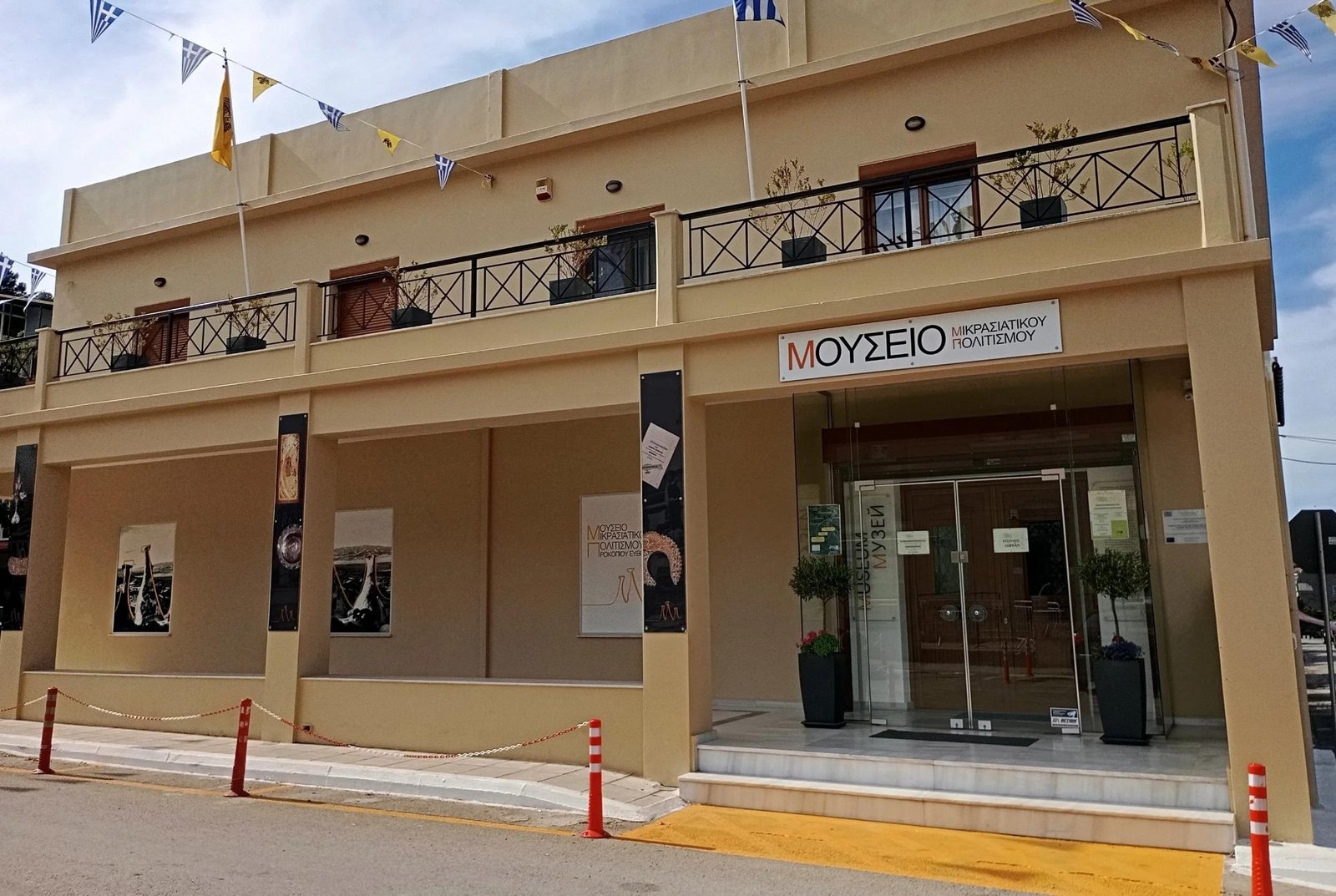
Next to the church, the Museum of Asia Minor Culture traces the history of the refugees who settled in Prokopi, bringing their heritage with them to their new home.
Its collection includes personal belongings, traditional clothing, jewelry, religious artifacts, and other items brought from Asia Minor. These objects offer a more personal perspective on migration, memory, and the preservation of cultural identity.
The museum serves as a natural follow-up to a visit to the church, providing historical context for the village’s most iconic site.
Practical information: According to the sanctuary’s official website, the museum is open from Wednesday to Sunday, 9:00 a.m. to 5:00 p.m. As opening hours may be subject to change, it is advisable to check before your visit.
3. Enjoy the green countryside around Prokopi
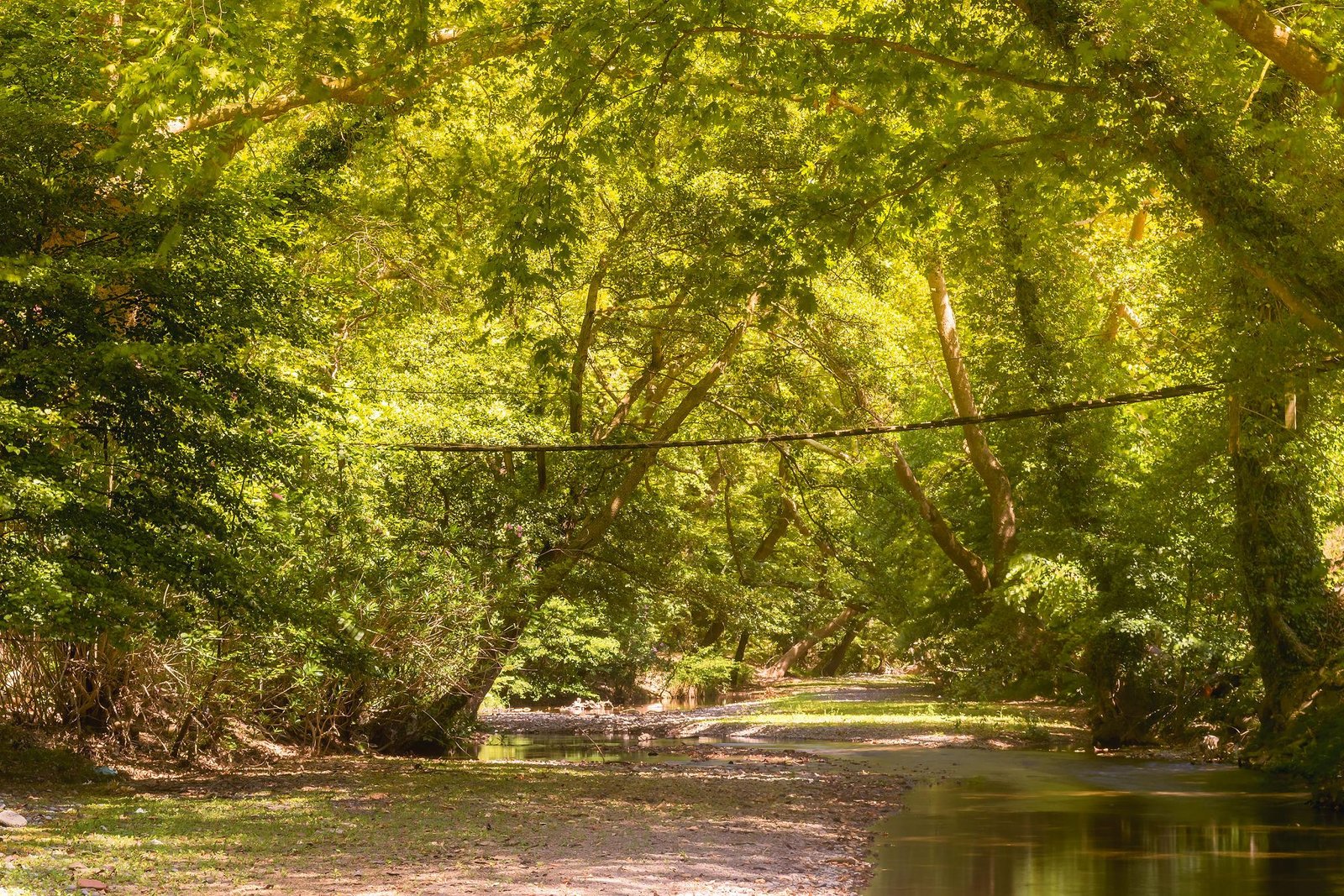
Prokopi also serves as a gateway to the greener landscapes of northern Euboea. The surrounding countryside, with its wooded hills and river valleys, offers a refreshing contrast to the island’s beaches and coastal towns.
The region, traversed by the Kireas River, is notable for its lush vegetation and impressive plane trees. It is a part of Euboea ideally suited for exploration at a leisurely pace, especially if you enjoy scenic drives, photography, and discovering villages tucked away from the main tourist routes.
If you are passing through the area by car, take the time to admire the landscape rather than viewing Prokopi merely as a quick stop at the church. You can incorporate this visit into a broader itinerary across northern Euboea, combining cultural sightseeing, excursions into nature, and trips to nearby coastal destinations.
A tip for your outdoor activities: check local conditions before planning a walk along the river or an outing in nature, and be sure to follow any access and safety guidelines in effect in the area.


